
Low Profile Bluetooth Earbuds Mini
4.4Editor score
Tinnitus-focused white noise mode
Low-profile side-sleeper design
Twenty-decibel noise reduction
Discover the best earbuds for tinnitus, comparing sound masking, noise cancellation, fit, battery life, sleep features, and key listening specs for daily use.
Earbuds marketed for tinnitus can help some listeners create a more comfortable listening environment by masking distracting environmental noise or providing calming background sound. The right model depends on whether your priority is all-night sleep, discreet masking, strong noise reduction, clear music, or comfortable extended wear.
This guide compares ten available products across sound modes, noise cancellation, microphone systems, battery specifications, comfort features, compatibility, and sleep-oriented functions. It also identifies which products are purpose-built for sleep, which are conventional earbuds with useful masking features, and which may work best for listening rather than symptom management.
Each selection reveals a different approach to the category, from low-profile masking earbuds to premium noise-cancelling models and a rechargeable ear light-therapy device. Ratings and product details reflect the supplied listings, while current prices and availability can change, so readers should confirm the latest listing information before purchasing.
4.4Editor score

4.2Editor score

4.0Editor score
The table below compares all ten products by their most relevant design strengths, including masking, noise control, listening features, comfort, battery specifications, and intended use.




The Ozlo Sleepbuds 2 carry a 4.2 rating and stand apart from ordinary earbuds by being purpose-built for sleep and continuous environmental masking. Their strongest feature for tinnitus-oriented use is the ability to sustain a steady sound shield through the night, helping reduce the intrusion of snoring, traffic, and urban noise without relying on a large over-ear device.
We may earn a commission when you buy through this link, at no additional cost to you.
Each bud weighs only 1.6 grams and sits flush against the ear, which makes the model especially appealing to side sleepers. Four soft ear-tip sizes help create a secure and personalized seal, while the low-profile shape reduces the chance of pressure soreness when turning during the night. The device provides 14 hours of playback per charge, enough for a complete night according to its stated specification.
The sound library contains more than 50 options, including white noise, nature sounds, and calm tones, and users can also stream their own music or podcasts over Bluetooth. A sleep timer can fade the selected audio before changing to masking. The smart case also measures bedroom noise, light, and temperature to generate sleep insights through the Ozlo app. These are meaningful features for users who want a dedicated sleep tool rather than a conventional pair of music earbuds.
The trade-off is that the Ozlo design is not optimized for the same listening experience as full-size lifestyle earbuds. Its strengths are comfort, masking, and sleep routines, not high-fidelity music or sophisticated calls. Nevertheless, for someone primarily seeking an unobtrusive overnight companion that can mask disruptive environmental noise, this is the most focused recommendation in the group.
This is the strongest overall choice for listeners whose tinnitus is most disruptive at bedtime or around a noisy sleep environment. Its combination of secure side-sleeper design, long stated battery life, flexible masking, and dedicated sleep tracking makes it particularly well suited to overnight use.
The flush 1.6-gram design is the Ozlo's most useful physical feature for overnight masking. Four tip sizes help users balance a secure seal with low pressure, which matters when a bud remains in place for hours rather than for a short listening session.
With more than 50 built-in sounds, personal streaming, and a timer that transitions from playback to masking, the earbuds offer several ways to build a consistent background soundscape without leaving the bed.
We may earn a commission when you buy through this link, at no additional cost to you.
This compact pair earns a 4.4 rating and stands out as the most explicitly tinnitus-focused conventional earbud in the list. Its sleep mode includes white noise described by the manufacturer as being for tinnitus ringing relief, while 20-decibel noise reduction helps soften snoring, ambient disturbances, and nighttime chatter.
We may earn a commission when you buy through this link, at no additional cost to you.
The low-profile design weighs 2.5 grams per bud and is shaped for people who want something discreet during sleep, work, exercise, or meditation. It also supports music mode with stereo sound and deeper bass, so it is not restricted to white-noise playback. An ENC microphone supports clearer calls, while Bluetooth connectivity works with iPhone, Samsung, Android phones, laptops, televisions, and other compatible devices.
Its main limitation is battery endurance. The charging case supports 4 to 5 hours of playback per charge, making it more suitable for targeted masking sessions than uninterrupted all-night use unless it is recharged during the day. It also does not include the detailed sleep analytics or specialized environmental tracking found in purpose-built sleep earbuds.
Those limitations are reasonable for shoppers who want an affordable, multipurpose earbud with a tinnitus-oriented white-noise mode. The model can provide calming background sound during a quiet evening, help reduce distracting environmental noise, and still function as music earbuds during the day.
For budget-conscious listeners who want a dedicated masking mode without giving up ordinary music and calling features, this is the most practical entry in the guide. Its 4.4 rating, discreet shape, and broad compatibility also make it a compelling general-purpose choice.
At 2.5 grams per bud, the lightweight profile is designed to remain visually and physically unobtrusive. That makes the earbuds suitable for creating a background sound environment at home, during focused work, or while resting in a side-sleeping position.
Music mode, an ENC microphone, and broad Bluetooth compatibility make this a conventional multipurpose earbud. It is a better fit for listeners who want one device for calls, music, exercise, and occasional tinnitus-oriented masking than for someone requiring advanced overnight sleep tracking.
We may earn a commission when you buy through this link, at no additional cost to you.
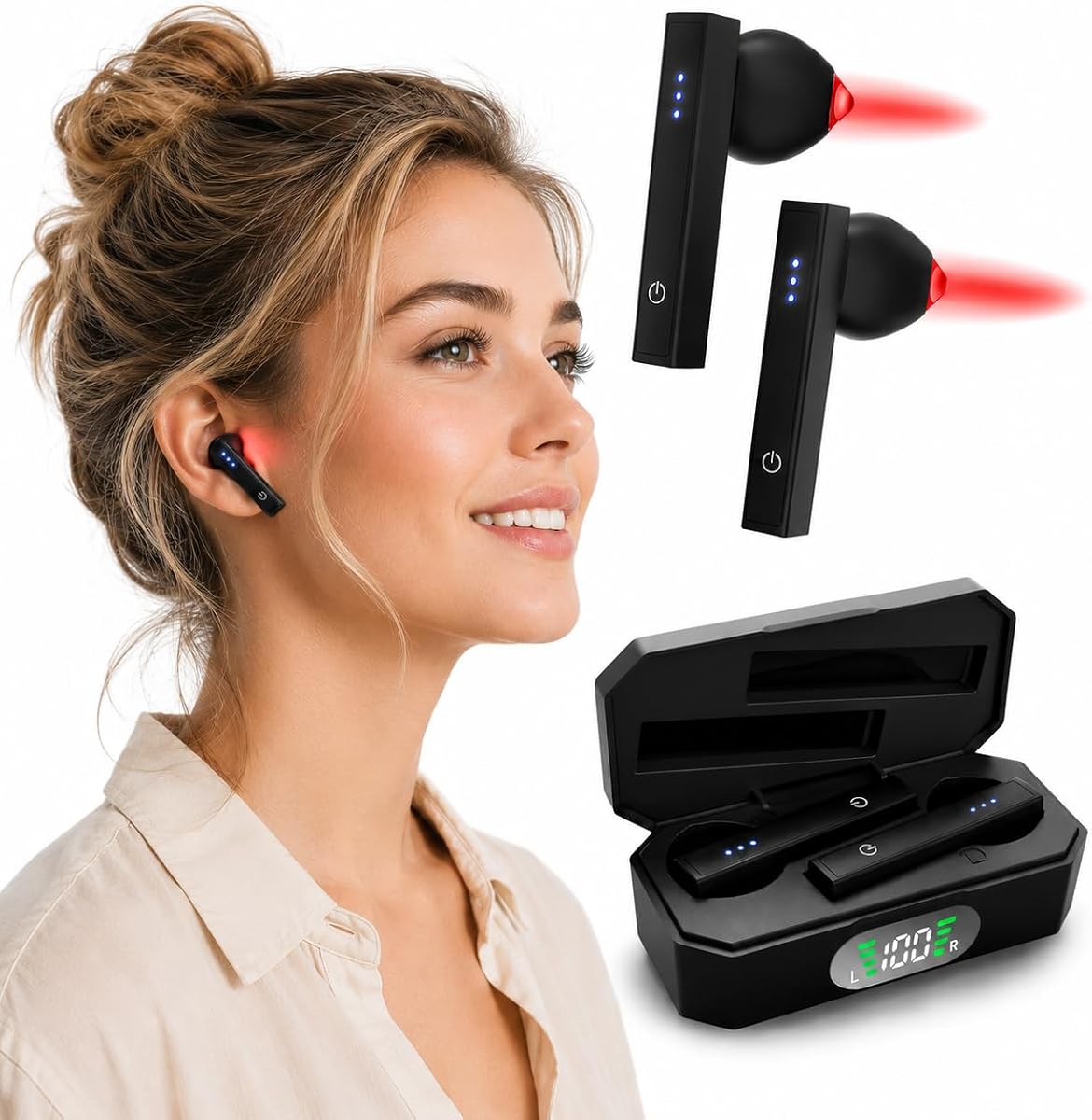
The Red and Blue Light Therapy device has a 4.1 rating and an earbud-style form, but it serves a fundamentally different purpose from the audio products in this guide. It uses red and blue LEDs for everyday ear comfort, relaxation, and wellness routines rather than producing music, white noise, or active noise cancellation.
We may earn a commission when you buy through this link, at no additional cost to you.
Seven modes provide three red levels, three blue levels, and an alternating red-and-blue setting. The device is hands-free and described as lightweight, making it suitable while reading, working, relaxing, or traveling. Its rechargeable case also makes it more convenient to carry than a panel-based wellness gadget.
Because it does not include sound masking, environmental audio, microphones, or playback controls, it should not be evaluated as a tinnitus earbud in the ordinary sense. The listing makes no claim that the light addresses tinnitus directly. For that reason, inclusion here reflects its keyword-relevant earbud-like design rather than a direct audio-masking solution.
Its trade-offs are straightforward. Anyone seeking background sound to cover environmental noise will need a separate audio product. Even so, buyers interested in a simple daily light-therapy routine may value the seven modes, hands-free operation, and compact rechargeable format.
This product is best suited to a wellness shopper who specifically wants ear light therapy and values a discreet earbud-style format. It is not the recommendation for tinnitus-related masking, and anyone concerned about ringing should consult a qualified healthcare professional rather than treating a consumer wellness device as medical care.
Separate intensity levels for red and blue, plus an alternating mode, give users more control than a single-setting light. The short, hands-free design also avoids the visual bulk of a larger therapy panel.
This device produces light rather than sound, so it cannot cover snoring, traffic, or household noise. Its relevance is its earbud-like wellness format, not an ability to manage tinnitus through audio.
We may earn a commission when you buy through this link, at no additional cost to you.
The Soundcore Sleep A30 has a 3.5 rating and focuses on a more data-driven approach to sleep than the other sleep-oriented products here. Its noise reduction covers traffic, appliance hum, and similar environmental disturbances, while adaptive snore masking detects snoring and plays audio designed to cover it.
We may earn a commission when you buy through this link, at no additional cost to you.
At 3 grams per earbud, the A30 uses soft silicone tips and a compact three-dimensional ergonomic shape for side sleeping. It offers 8 to 10 hours of playback per charge, and the case extends total use to as many as five nights according to the listing. Flexible playback options cover 6 to 16 hours for overnight use or naps.
Its app tracks sleep duration, position, and snoring patterns, then creates a daily report. The sound library includes white noise, AI Brainwave Audio, and a curated selection of Calm sleep stories. Adjustable noise cancellation and dynamic snore masking provide additional control over the sleep environment.
The lower rating suggests this may not deliver the same overall satisfaction as the more highly rated alternatives. It is also more dependent on its software ecosystem, and buyers who mainly want a simple pair of masking earbuds may find that extra app-based tracking is unnecessary. Even so, the combination of compact construction, long stated endurance, and snore-specific features is distinctive.
The A30 is worth considering for listeners who want tinnitus masking to be integrated into a broader sleep-improvement routine. It is especially relevant when snoring and sleep-position information matter as much as the background audio itself.
Adaptive snore masking is a distinctive feature because it responds to snoring in real time. The app also tracks snoring patterns, allowing users to compare the sound environment with their broader sleep behavior.
Tracking duration, sleep position, and snoring patterns adds a wellness dimension beyond ordinary playback. For users hoping to identify patterns rather than simply consume background sound, these reports may provide the most relevant value.
We may earn a commission when you buy through this link, at no additional cost to you.
The TOZO NC9 carries a 4.3 rating and is a conventional lifestyle earbud rather than a dedicated sleep or tinnitus device. Its hybrid active noise cancelling system is stated to reach a maximum reduction depth of 45 decibels, making it a practical choice for listeners who want to reduce environmental distractions with music or other audio.
We may earn a commission when you buy through this link, at no additional cost to you.
The earbuds use 10-millimeter drivers and OrigX Acoustic 2.0 technology for stereo bass and clarity. Six microphones, ENC ambient noise reduction, and a transparent mode support clear calls and awareness of nearby surroundings. The TOZO app adds 32 EQ options, noise-control adjustments, and a sharing zone for customized sound profiles.
Battery life is another major strength. The case provides up to 60 hours with ANC off and 40 hours with ANC on, while the earbuds deliver up to 14 hours with ANC off and 10 hours with ANC on per charge. An LED display shows remaining power, and Bluetooth 5.3 supports stable connections within the stated range.
For tinnitus-oriented listening, the limitation is that the listing does not describe a tinnitus-specific masking library or a purpose-built sleep soundscape. The large earcaps and conventional audio positioning may also be less suitable for overnight side sleeping than the smaller sleep-focused products. Its active noise control and extensive EQ can still provide personal audio control, but comfort and masking should be considered carefully.
The NC9 is a strong recommendation for buyers who want flexible everyday earbuds with powerful stated noise reduction, long battery life, and extensive app controls. It ranks highly for general value, though users seeking dedicated tinnitus masking should examine the low-profile mini model or a purpose-built sleep product first.
A maximum stated reduction depth of 45 decibels can make everyday environments feel less disruptive when combined with audio. Thirty-two EQ options and adjustable cancellation modes provide additional control over how different frequencies and surroundings are presented.
The case can supply as much as 60 hours of playback with ANC off and 40 hours with it on. That endurance is useful for frequent travelers or office users who prefer not to recharge the case every day.
We may earn a commission when you buy through this link, at no additional cost to you.
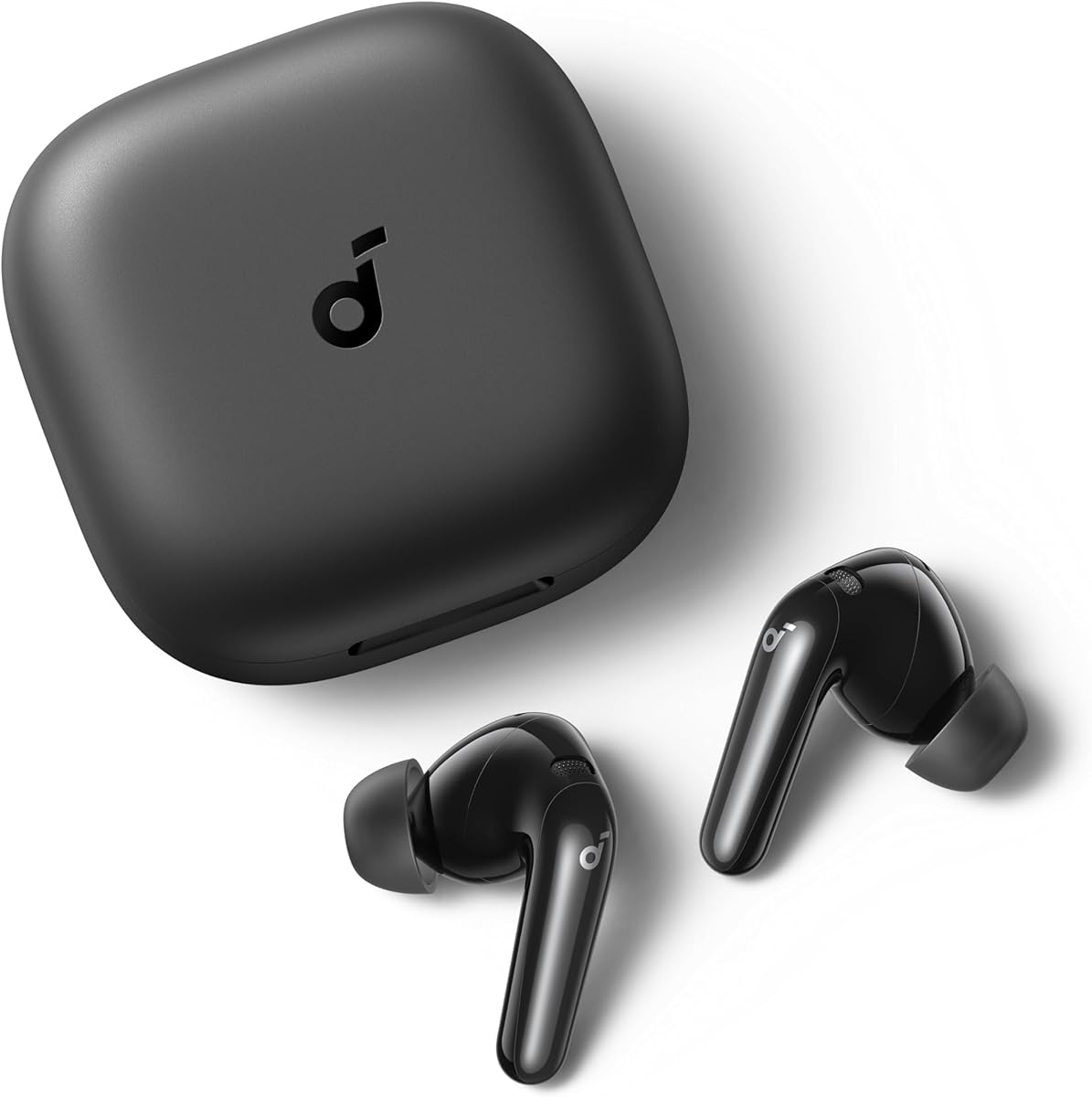
The Soundcore P31i has a 4.4 rating and combines adaptive noise cancellation with high-resolution audio and real-time translation. Its active noise cancelling can reduce noise by as much as 52 decibels, while adaptive technology detects the surroundings and chooses an appropriate cancellation level automatically.
We may earn a commission when you buy through this link, at no additional cost to you.
LDAC support and Hi-Res certification target more detailed music playback, with rich bass and balanced treble. For communication, six microphones use an AI noise-reduction algorithm to isolate the speaker's voice, while wind-noise reduction is designed to improve call clarity outdoors. Real-time AI translation covers more than 100 languages according to the listing.
The earbuds provide up to 10 hours of playback per charge and 50 hours with the case. With ANC active, the stated figures are eight hours per charge and 40 hours with the case. A ten-minute quick charge adds 3.5 hours of listening, which is helpful for travelers who need a quick power boost.
Although the P31i can create a quieter environment for listening, it does not offer a clearly described tinnitus masking program or dedicated sleep sounds. Its features are oriented toward commuting, music, calls, and translation. Users whose primary need is overnight environmental masking may find the more purpose-built sleep models more appropriate.
This is a compelling choice for commuters and frequent travelers who want adaptive quiet, detailed music, and versatile calling features in one pair. Its 4.4 rating reflects a well-rounded feature set, while the adjustable app settings help listeners shape the experience to their own preferences.
Adaptive cancellation removes the need to constantly adjust the noise-control level when moving between streets, offices, and transit. This makes the P31i especially practical for users whose tinnitus sensitivity varies with environmental noise.
LDAC audio, adjustable EQ, Spatial Audio, and HearID support a strong conventional listening experience. Real-time translation adds a specialized function that distinguishes the model from basic masking earbuds.
We may earn a commission when you buy through this link, at no additional cost to you.
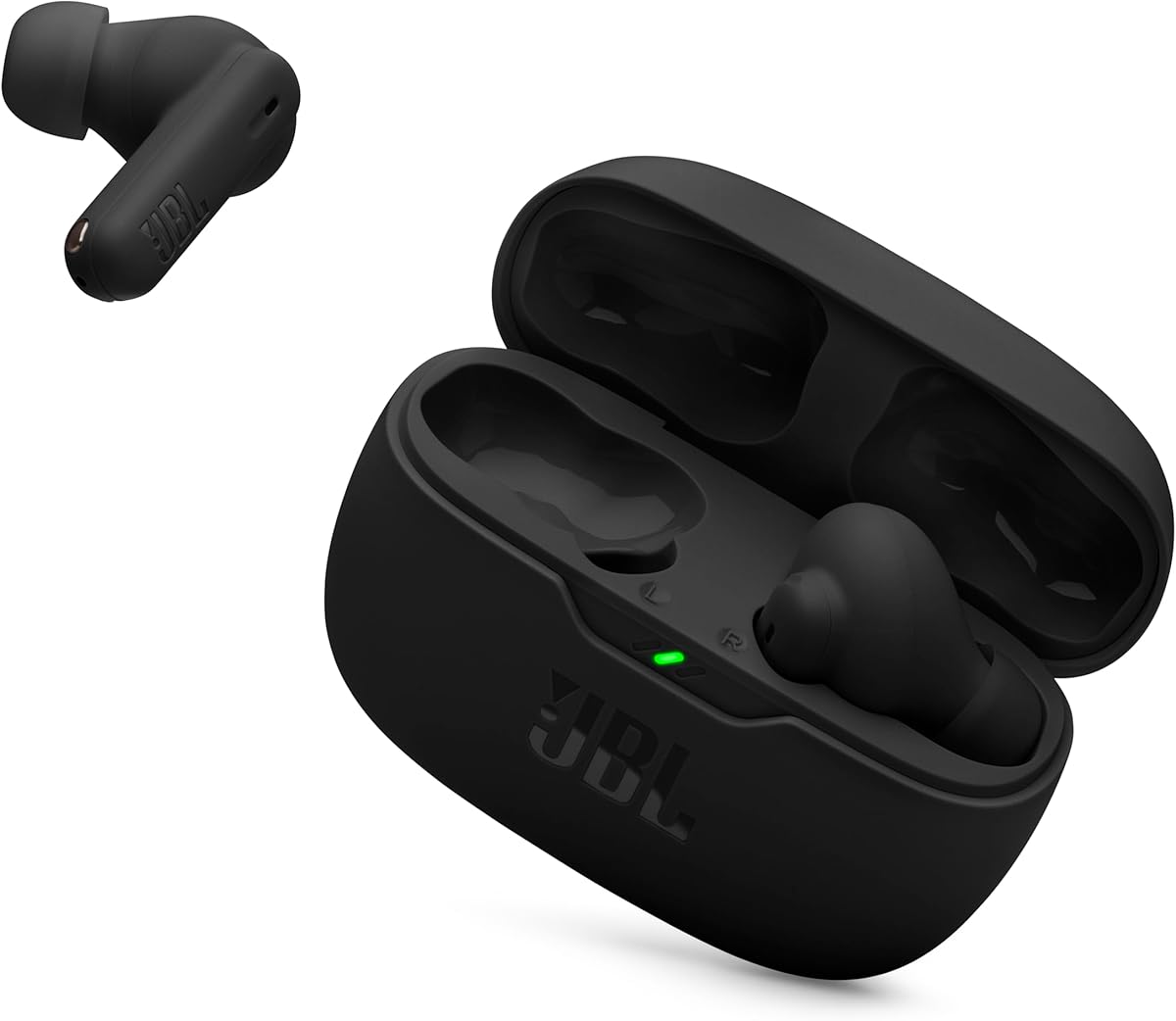
The JBL Vibe Beam 2 has a 4.1 rating and combines active noise cancelling with a small relaxation sound library. It may be a practical option for listeners who want a conventional music earbud that can also provide a few calming background sounds without committing to a dedicated sleep device.
We may earn a commission when you buy through this link, at no additional cost to you.
Eight-millimeter dynamic drivers deliver JBL Pure Bass sound, while active noise cancelling filters distracting noise. Smart Ambient lets users choose how much of the surroundings they hear, which is useful when they want quiet for music but still need awareness in certain settings. Four microphones support clear calls in busy outdoor environments.
The charging case supplies 30 additional hours after the earbuds' stated 10 hours of playback, for 40 total hours with ANC off. A ten-minute USB-C charge adds three hours. The JBL Headphones app supports EQ selection, custom sound profiles, voice prompts, and a Relax Mode containing five peaceful sounds.
The five relaxation sounds are much less extensive than the dedicated masking libraries on the Ozlo and mini Bluetooth models. The Vibe Beam 2 also lacks the detailed sleep tracking, snore detection, and environmental insights that characterize the more sleep-oriented products. Its conventional shape is likely better suited to daily listening than prolonged side sleeping.
For shoppers seeking a balanced budget earbud with music, calls, noise cancelling, and a handful of relaxation sounds, the Vibe Beam 2 is a solid choice. It is less directly targeted at tinnitus, but its adjustable ambient control and basic relaxation mode can support a calmer listening environment.
Active cancellation provides a quieter baseline, while Smart Ambient lets listeners reintroduce outside sound as needed. That flexibility is useful for users who do not want complete environmental isolation at all times.
The five peaceful sounds in Relax Mode are a convenient option for short masking or winding-down sessions. They provide a lighter feature set than the extensive sound libraries found in dedicated sleep earbuds.
We may earn a commission when you buy through this link, at no additional cost to you.
The Soundcore Space A40 has a 4.2 rating and offers a strong conventional noise-cancelling feature set. The listing describes an upgraded system that reduces noise by as much as 98 percent, while adaptive controls automatically choose a suitable level for different environments.
We may earn a commission when you buy through this link, at no additional cost to you.
Its sound system uses double-layer diaphragm drivers for strong bass, clear mids, and bright treble, with LDAC available for high-resolution wireless sound. The soundcore app adds HearID, EQ modes, and adjustable noise cancelling, allowing users to create a more personal listening profile.
Battery life is listed at 10 hours per charge and up to 50 hours with the case. A quick ten-minute charge provides four hours of listening. The design is described as smaller and lighter than other soundcore ANC earbuds, with an ergonomic shape intended for longer sessions.
For tinnitus-oriented use, adaptive noise cancelling can reduce the impact of environmental distractions, but the Space A40 does not advertise a dedicated tinnitus sound library. It also lacks the sleep tracking and snore-masking tools found in the Soundcore Sleep A30. Users seeking overnight masking may find conventional earbuds less suitable than sleep-specific models.
The A40 is best for listeners who want a versatile everyday earbud with substantial noise reduction, personalized sound, and long battery life. It may also work well for travel or work environments where environmental noise is a major source of distraction and discomfort.
Automatic cancellation selection simplifies use in changing surroundings, while app-based controls allow manual refinement. The combination is useful for users who want quiet without maintaining a specific setting all day.
LDAC support and personalized EQ make the A40 appealing even when the priority shifts from masking to music. Its 50-hour total battery specification also supports frequent commuting and office use.
We may earn a commission when you buy through this link, at no additional cost to you.
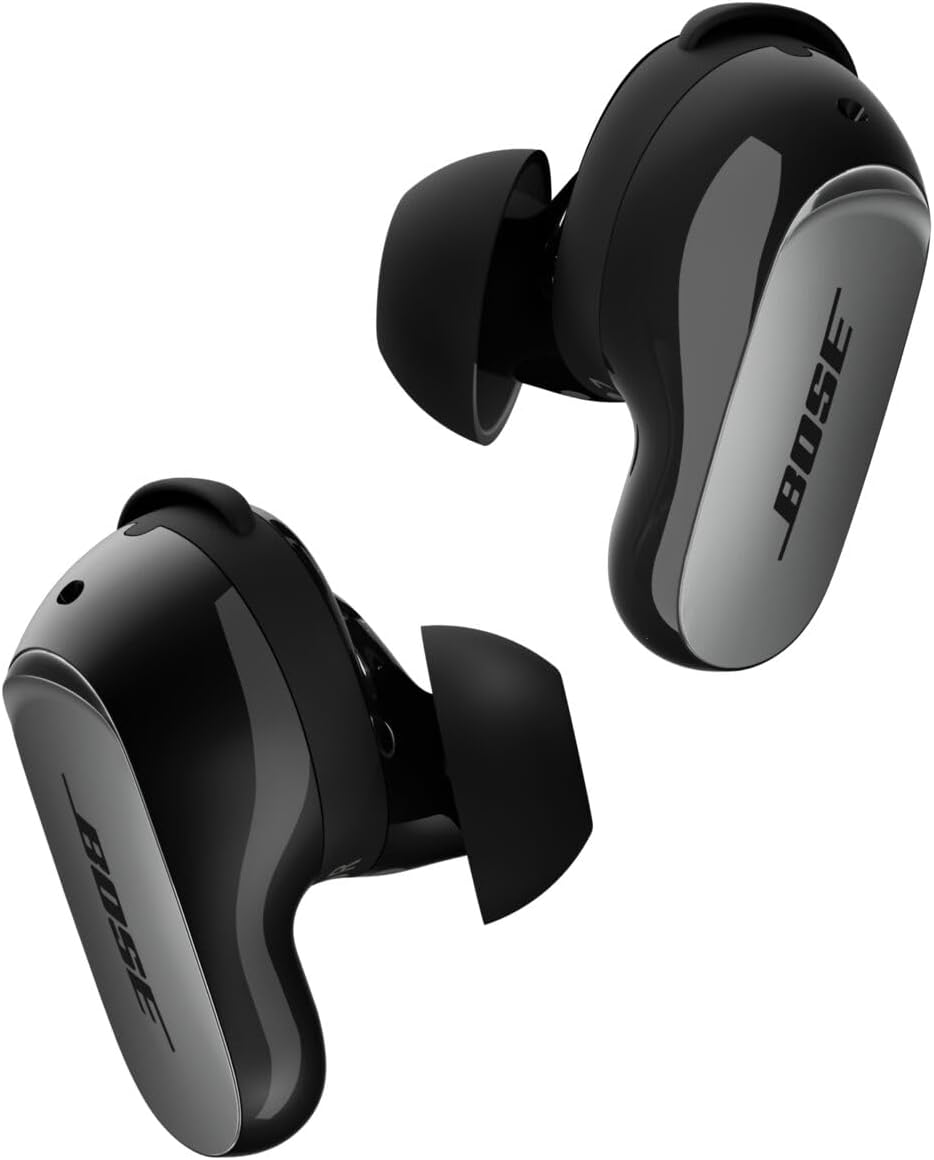
The Bose QuietComfort Ultra Earbuds have a 4.0 rating and deliver the most advanced conventional listening package in this guide. CustomTune technology analyzes the shape of the user's ears and adapts the in-ear sound, with the stated result of personalized sound and noise cancellation.
We may earn a commission when you buy through this link, at no additional cost to you.
ActiveSense technology smooths sudden spikes in surrounding sound, while the noise control can be adjusted or turned off entirely. For longer listening, the earbuds offer nine combinations of eartips and stability bands, creating multiple options for a secure, comfortable seal. Bose describes the fit as reducing outside noise while keeping the earbuds stable.
Additional features include Immersive Audio for spatialized listening, Cinema Mode for video content, and SpeechClarity technology for calls. Bluetooth multipoint allows seamless switching among a phone, laptop, and other connected devices. The wireless charging case holds up to three full charges, while USB-C charging is also supported.
The primary limitation is battery endurance. Playback reaches up to six hours in Quiet or Aware Mode and up to four hours with Immersive Audio, which may be less convenient for overnight use than the dedicated sleep products. The listing also does not identify a tinnitus-focused masking library, so the earbuds are better viewed as premium environmental-control and listening tools.
The Bose model is a strong premium recommendation for users who value adaptive quiet, personalized sound, flexible controls, and seamless device switching. Those features may help create a calmer listening environment, although they should not be presented as a substitute for professional tinnitus care.
CustomTune analyzes the user's ear shape and adjusts the sound accordingly. This personalization can improve the consistency of noise cancellation while providing a more individualized listening profile for music and media.
ActiveSense is intended to smooth abrupt environmental spikes, which may make noise reduction feel less disruptive in busy locations. The ability to adjust or disable noise control gives users more control over their awareness.
We may earn a commission when you buy through this link, at no additional cost to you.
The Soundcore Liberty 5 Pro carries a 4.3 rating and emphasizes advanced noise processing, call clarity, and personalized listening. Its ten-sensor matrix includes eight microphones and two bone-conduction sensors, while the Thus AI Chip processes more than 384,000 noise signals per second according to the supplied information.
We may earn a commission when you buy through this link, at no additional cost to you.
The earbuds are described as delivering 100 percent more effective noise cancellation than the previous flagship model. Users can also take advantage of HearID 5.0, personalized EQ, an AI Audio Enhancer, Spatial Audio, and adjustable noise-control settings through the soundcore app. Twenty built-in voice commands support offline control of music, calls, and volume.
Call performance is the central specialty. The Whisper-Clear system is designed to make the speaker audible in very noisy environments, and the listing cites certification for the highest speech quality alongside recognition as Wirecutter's Top Pick. These details make the earbuds especially useful for people who work or communicate in loud spaces.
Battery life reaches up to six and a half hours with ANC on and 28 hours with the case. A five-minute charge adds four hours, while Extreme mode is listed at 2.5 hours per charge and 10.5 hours with the case when several features are enabled. There is no dedicated tinnitus masking mode, so its relevance comes primarily from environmental noise reduction and personalized audio.
The Liberty 5 Pro is a compelling premium lifestyle choice for commuters, office workers, and frequent callers. It may be particularly attractive when environmental sound and call clarity are central concerns, although users seeking a dedicated overnight masking product should look toward the sleep-focused alternatives.
Eight microphones, two bone-conduction sensors, and the Thus AI Chip allow the earbuds to evaluate a dense stream of environmental signals. The stated processing rate is designed to adapt cancellation quickly in changing surroundings.
HearID 5.0, customizable EQ, Spatial Audio, and 20 offline commands make the earbuds easy to operate without a phone. These features improve everyday usability but can contribute to shorter endurance in the most feature-intensive mode.
We may earn a commission when you buy through this link, at no additional cost to you.
The most useful earbuds for tinnitus are not necessarily the models with the most advanced specifications. Masking design, physical comfort, battery life, and intended setting should be prioritized alongside active noise cancellation and conventional audio quality.
A broad sound library gives users more opportunities to identify a comfortable sound that does not itself become irritating over time. It is also worth checking whether masking continues through the night, can be set to begin automatically, and can be adjusted without removing the earbuds.
Prioritize adjustable cancellation levels so you can balance quiet with awareness. Transparency and ambient modes are also valuable because fully blocking the surroundings may be undesirable when alarms, traffic, or workplace cues need to remain audible.
Choose a small, flush-fitting design for sleeping and confirm that the manufacturer provides multiple tip or stability-band sizes. A secure seal improves both masking consistency and comfort, but the tips should not create pressure that could worsen the experience.
For overnight use, prioritize at least eight hours of single-charge playback and verify the actual mode being used. For commuting and office use, total case endurance may matter more. Fast charging is useful either way, but it does not replace a comfortable fit or suitable sound program.
App-based insights are most valuable to users who want to monitor patterns over time. Listeners who only need a simple white-noise setting may prefer fewer controls, less software, and a more compact design without sleep analytics.
More microphones do not automatically guarantee better real-world call quality, but they indicate a stronger focus on separating speech from background noise. Choose a model with ENC or advanced noise processing if you regularly take calls outdoors, in vehicles, or in shared workspaces.
Look for an app with adjustable EQ, personalized sound, and spatial audio if you want control over the listening profile. Keep the volume at a comfortable level, because adding high-quality audio does not make loud listening safer or more effective for tinnitus.
Check whether an app is required for masking sounds, noise control, battery information, or firmware updates. Voice prompts, physical controls, and offline commands can make the earbuds easier to operate when the phone is unavailable or when a user wants minimal screen interaction before sleep.
Begin by charging both earbuds and the case, then install the relevant app if you want access to sound libraries, EQ controls, noise adjustment, sleep reports, or firmware updates. Select a masking sound at a low, comfortable level and test it in the environment where you expect to use the earbuds. If the goal is sleep, start with a short session while lying on each side to check for pressure, seal, and awareness concerns.
For active noise-cancelling models, compare the normal cancellation setting with the transparent or ambient mode. Save a comfortable level rather than assuming maximum cancellation is always appropriate, particularly around traffic, workplaces, or other places where important environmental cues may need to remain audible. Keep the audio volume moderate, take listening breaks, and avoid sleeping with earbuds inserted if they cause discomfort or pressure.
Remove the earbuds regularly, clean the tips and charging contacts according to the manufacturer's instructions, and keep the charging case dry. Replace damaged or worn tips, store the earbuds away from extreme heat, and use only compatible charging equipment. For persistent, worsening, or one-sided tinnitus, arrange an assessment with a qualified healthcare professional rather than relying on consumer earbuds to diagnose or treat the underlying cause.
No. Earbuds are consumer audio devices, and the products in this guide are not presented as cures for tinnitus. Masking sounds and noise cancellation may help some listeners perceive environmental noise differently, but they do not remove the underlying cause of tinnitus. Persistent, worsening, or one-sided symptoms should be evaluated by a qualified healthcare professional.
There is no single sound that works for everyone. Common options include white noise, pink noise, nature recordings, fan sounds, and calm tones, and the best choice is usually the one that feels unobtrusive over a long period. Products such as the Ozlo Sleepbuds 2 provide a wide library, while other models offer only a few relaxation sounds.
Sleep-focused models are often better for overnight use because they are smaller, sit more flush against the ear, and may include continuous masking and sleep timers. Standard earbuds may offer better music, calls, and advanced active noise cancellation. Your priorities, device compatibility, and comfort will determine which category fits best.
Some low-profile models are designed for side sleeping, but wearing any earbud in bed can create pressure, affect hearing awareness, or introduce hygiene concerns. Choose a small, comfortable fit, avoid blocking necessary alarms, and keep the volume low. If the earbuds cause soreness or worsen your symptoms, remove them and consult a healthcare professional.
No. Active noise cancelling uses microphones and electronics to reduce incoming environmental sound, while masking adds a separate sound to blend into or cover the environment. Depending on the situation, one may be more comfortable than the other, and some listeners prefer combining quiet with a low, steady background sound.
Many models provide basic playback and noise control directly from the earbuds, but the app may be needed for sound libraries, EQ, firmware updates, sleep insights, and detailed settings. The Ozlo Sleepbuds 2 and Soundcore Sleep A30 are particularly app-oriented because their tracking features depend on companion software.
The right level depends on where the sound causes you the most trouble. Strong adaptive cancellation can help with steady sounds such as engines, ventilation, and office hum, while masking may be more useful around irregular household noise. Adjustable cancellation lets you choose a balance between quiet and environmental awareness.
Power the earbuds off, remove debris gently, and clean the tips and case according to the manufacturer's instructions. Avoid pushing moisture into openings, and do not use chemicals unless they are specifically approved for the product. Regularly inspect the tips for wear and replace them when they no longer seal comfortably.
The Ozlo Sleepbuds 2 offer the most complete dedicated masking package with a side-sleeper design, extensive sounds, long stated battery life, and smart sleep insights. The low-profile mini Bluetooth model is the most directly budget-oriented tinnitus choice because of its white-noise sleep mode, while the Bose QuietComfort Ultra stands out as the premium option for personalized sound, adaptive quiet, and multipoint connectivity.
Prioritize the feature that addresses your hardest listening environment. Choose a sleep-specific model for overnight masking, a strong conventional ANC model for steady background noise, or a multipurpose pair when music and calls matter equally. Comfort, moderate volume, realistic expectations, and proper medical care for persistent symptoms are more important than any single specification.
Ratings, specifications, features, and availability can change over time, and current prices should be checked on the product listing before purchasing. Review the latest fit, app compatibility, return terms, and manufacturer guidance to ensure the selected earbuds match your routine and provide a comfortable, low-volume listening experience.