
HP Essential Laptop 2026
4.4Editor score
Lightweight 3.24-pound design
Versatile USB-C connectivity
Long stated battery life
A laptop for home inspectors must handle report writing in an office, photography in difficult properties, and long appointments away from dependable power. Screen visibility, comfortable typing, battery endurance, sturdy construction, and useful connectivity matter more than specialized graphics or maximum processing power. The right computer should support both focused technical work and mobile productivity.
We compared all ten supplied models across processor class, memory, storage, display quality, keyboard layout, ports, wireless standards, portability, battery claims, security features, and suitability for inspection software. The guide includes rugged business laptops, large-screen models, touchscreen options, and lighter everyday systems for inspectors who spend more time at a desk.
Each review explains the strongest reason to consider a model, along with meaningful limitations and the type of inspector most likely to benefit. Ratings reflect the supplied product data rather than personal testing, and specifications can vary by seller or configuration. Product listings and prices change frequently, so confirm the current configuration before purchasing.
4.4Editor score

4.5Editor score

As an Amazon Associate we earn from qualifying purchases.
The table below compares all ten laptops by processor, memory, storage, display, and the practical features most relevant to mobile home-inspection workflows.




The HP 17 inch Business Laptop combines a 17.3-inch Full HD anti-glare display, an AMD Ryzen 5 processor, 16GB of RAM, and a 512GB SSD in a configuration that suits the broad needs of a home inspector. Its supplied rating is 4.5, and the strongest attraction is the balance between a roomy working area and enough performance for reports, photos, browser-based research, and scheduling.
We may earn a commission when you buy through this link, at no additional cost to you.
The full-size keyboard includes a ten-key numeric keypad, a valuable feature for inspectors who work with measurements, itemized estimates, property comparisons, and spreadsheet-based findings. The anti-glare panel is more practical than a glossy screen when viewing a property in changing light, while the 720p camera and digital microphones support remote conversations with clients or colleagues. Fast Charge and stated long battery life also suit appointments away from an outlet.
The main compromise is the size of the 17.3-inch chassis. This is not the easiest laptop to carry through stairs, attics, or crowded properties, and the large display is more useful when the computer is stationed on a desk, table, or vehicle seat. Another consideration is that the included Office 365 for the Web supports browser-based document work rather than providing the full offline feature set associated with a traditional desktop Office installation.
Despite those limitations, this is the strongest general-purpose choice in the group for an independent inspector or small team. It offers more practical capacity than basic ultraportables, a more comfortable data-entry area than many compact laptops, and a familiar Windows 11 environment. Choose it when your work involves regular report editing, client communication, and substantial multitasking rather than constant handheld use.
The 17.3-inch Full HD panel provides enough space to keep a property report, photographs, and reference notes visible at the same time. Its anti-glare treatment also makes it more usable in bright homes, unfinished properties, and vehicles where reflections would otherwise be distracting.
A Ryzen 5 processor, 16GB of memory, and a 512GB SSD provide a sound foundation for web-based research, digital forms, email, spreadsheets, and inspection software. The numeric keypad further improves workflow for measurements, pricing notes, and other number-heavy tasks.
We may earn a commission when you buy through this link, at no additional cost to you.
The Dell Pro Rugged 14 is designed for professionals who need a durable, security-conscious Windows machine rather than the lightest possible general laptop. Its listed configuration combines an Intel Core Ultra 5 135U 12-core processor, 16GB of DDR5 memory, a 512GB NVMe SSD, and Windows 11 Pro. No customer rating was supplied, so the decision should rest on its specifications and field-oriented design.
We may earn a commission when you buy through this link, at no additional cost to you.
The rigid handle and rugged black chassis are the defining advantages for inspectors who move between vehicles, job sites, and properties with challenging access. A 14-inch Full HD anti-glare display with 400-nit brightness remains visible in varied conditions, while the backlit keyboard helps during early starts, late appointments, and poorly lit spaces. TPM 2.0, a lock slot, and Windows 11 Pro add a stronger foundation for business and client-data handling.
Connectivity is unusually complete for a mobile device. Gigabit Ethernet can be valuable when stable wired access matters, while Wi-Fi 6E, Bluetooth 5.3, a microSD slot, and a wedge-shaped lock slot broaden the practical options. The 2-year warranty and stated free technical support offer some reassurance, although buyers should examine the total package cost and compare it with less rugged alternatives.
This laptop is a compelling choice for inspectors who regularly work in construction environments, older properties, or locations where dust, vibration, and frequent transport could challenge a conventional computer. It is less compelling for someone who places portability above durability. For field-heavy professionals, however, the handle, rugged enclosure, Pro security, and complete interface selection make it the premium option in this roundup.
The rigid handle and rugged chassis are particularly useful when a computer is transported daily or carried through construction areas, older stairwells, and tight crawl spaces. The design acknowledges that field equipment may encounter conditions beyond those encountered by an office-only notebook.
Windows 11 Pro, TPM 2.0, and a physical lock slot create a more security-conscious configuration. Gigabit Ethernet, Wi-Fi 6E, Bluetooth 5.3, and a microSD reader also provide flexibility for connecting inspection tools, external storage, networks, and peripherals.
We may earn a commission when you buy through this link, at no additional cost to you.
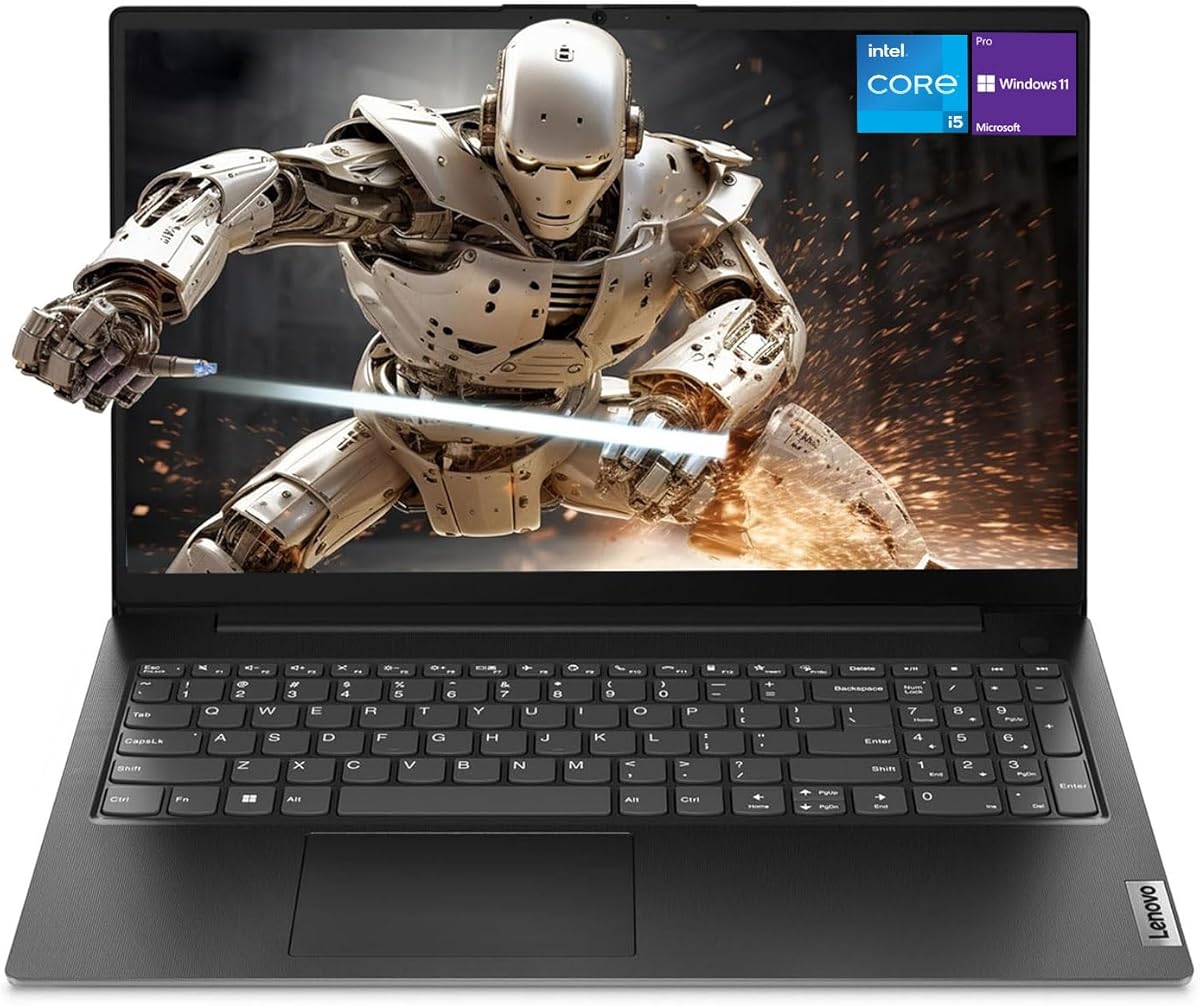
The Lenovo V15 Gen 4 offers a conventional 15.6-inch business format with an Intel Core i5-13420H processor, 16GB of memory, and a 512GB SSD. Its supplied rating is 4.3, and the configuration appears aimed at everyday professional work involving documents, browser applications, inspection software, and client communication.
We may earn a commission when you buy through this link, at no additional cost to you.
Its standout practical feature is the RJ45 Ethernet connection. Although modern properties often provide wireless access, a wired connection can be more dependable for long downloads, large uploads, cloud synchronization, or software updates. USB-A, USB-C, HDMI, a combined audio jack, Wi-Fi, Bluetooth, a webcam, and a numeric keypad round out an interface selection that works well with existing field accessories.
The 15.6-inch Full HD display is a sensible middle ground between compact laptops and larger 17-inch models, although the supplied description does not mention an anti-glare surface or high brightness. The product data also contains an internal inconsistency: the title identifies 16GB RAM and a 512GB SSD, while one description section refers to 4GB and 128GB. Buyers should confirm the seller configuration before ordering.
The Lenovo is a good fit for inspectors who want a conventional Windows 11 Pro notebook with wired networking and a numeric keypad without moving to a rugged chassis. It may also appeal to offices that already maintain standardized report templates and peripherals. Confirm the display finish and exact memory and storage configuration, but on paper it is a well-connected, moderately sized field computer.
RJ45 Ethernet is particularly useful when stable network access is required, while USB-A compatibility simplifies the connection of existing inspection tools, storage drives, printers, and adapters. HDMI also makes it easy to work from a larger display in a vehicle or temporary office.
The 15.6-inch Full HD panel is large enough for a detailed report without approaching the footprint of a 17-inch computer. A full-size keyboard and numeric keypad support extended typing and number entry, which are common elements of an inspection workflow.
We may earn a commission when you buy through this link, at no additional cost to you.
The HP Essential Laptop 2026 prioritizes portability, efficiency, and affordability rather than heavy-duty performance. It has an Intel N150 processor, 4GB of LPDDR5 memory, 128GB of UFS storage, a 14-inch HD anti-glare display, and Windows 11. With a supplied rating of 4.4 and a listed weight of 3.24 pounds, it is among the easiest laptops here to carry between appointments.
We may earn a commission when you buy through this link, at no additional cost to you.
Connectivity is better than the basic specifications might initially suggest. A 10Gbps USB-C port with DisplayPort 1.2 can drive an external monitor, and the system also includes two USB-A ports, HDMI 1.4b, a headphone and microphone combination jack, and a multi-format SD card reader. That selection is useful for connecting a monitor in a home office, using wired peripherals, or transferring image files from a camera card.
The main constraints are memory and internal storage. Four gigabytes of RAM can become restrictive when many browser tabs, inspection software, cloud drives, and communications tools remain open simultaneously. Likewise, 128GB leaves limited room for local photo libraries, downloaded forms, and offline backups. Users should rely on cloud storage, an external drive, or a disciplined file workflow.
Despite those limitations, this laptop is a sensible entry point for a new inspector, a student progressing into the profession, or a budget-conscious professional whose work is mostly browser-based. The claimed battery figures, compact dimensions, and comfortable display make it particularly appealing for mobile work. It is not the first choice for intensive local photo editing or heavy multitasking, but it handles the core office and communication tasks well.
At 3.24 pounds and less than an inch thick, the Essential Laptop is easy to place in a laptop bag or inspection vehicle without taking up much room. Its compact 14-inch format also feels more manageable when working at a kitchen table or temporary desk.
USB-C with DisplayPort makes it straightforward to establish a larger workstation at home. Two USB-A ports support existing keyboards, mice, and adapters, while the SD reader and HDMI port broaden options for media transfer and external displays.
We may earn a commission when you buy through this link, at no additional cost to you.
The HP OmniBook 3 16 stands out for its 2K IPS touchscreen, a feature that makes it visually engaging and potentially useful for inspectors who work through interactive forms, reference interfaces, and detailed property information. It pairs that panel with an AMD Ryzen 3 30 processor, 8GB of LPDDR5 memory, and a 256GB NVMe SSD. Its supplied rating is 4.5.
We may earn a commission when you buy through this link, at no additional cost to you.
The 1920 by 1200 resolution gives users more working area and finer text rendering than a standard Full HD laptop of similar size. Wide viewing angles, an FHD camera with HDR auto-switch, and advanced AI noise reduction improve the experience of video meetings with clients or colleagues. The touchscreen may also help with navigation, zooming into photos, and reviewing visual findings without relying entirely on a trackpad.
Performance is positioned for everyday productivity rather than demanding professional workloads. The Ryzen 3 30, 8GB of memory, and 256GB SSD should handle documents, browsing, email, and cloud applications, but inspectors with extensive photo libraries may need external storage. The stated fast-charge capability and long battery claim are useful for full schedules, while Wi-Fi 6 and Bluetooth 5.4 provide current wireless standards.
This model is a good match for an inspector who values a large, crisp, interactive screen and does not need a numeric keypad or rugged construction. It can also serve as a comfortable home-office machine for producing polished reports. Choose it for visual clarity and touch convenience; look to a more expandable or rugged system if storage capacity, wired networking, or physical durability is the priority.
The 2K resolution and IPS technology provide crisp text, broad viewing angles, and enough screen space to compare notes, forms, and photographs. Touch input adds another way to navigate documents and zoom into visual material during a review.
Stated battery life of up to 14 hours and 15 minutes, along with fast charging, can reduce interruptions between appointments. The included noise-reduction tools and HDR camera switching are especially useful for professional calls from properties with uneven lighting.
We may earn a commission when you buy through this link, at no additional cost to you.
The HP 17.3 FHD Laptop combines a large workspace with a roomy 1TB storage configuration, making it a practical option for inspectors who retain reports, photographs, reference documents, and software locally. The Ryzen 5 7430U processor has six cores and 12 threads, while 16GB of memory supports several active applications. Its supplied rating is 4.5.
We may earn a commission when you buy through this link, at no additional cost to you.
The 17.3-inch Full HD IPS panel uses an anti-glare finish and is rated at 300 nits. That combination is appropriate for reviewing property details in a range of ambient lighting conditions. AMD FreeSync is listed for smoother display behavior, while the dual microphones, speakers, and camera with a physical shutter support communication and privacy.
Storage is the defining advantage over many competing configurations. A 1TB drive reduces the need to constantly offload photos and completed reports, which is helpful when connectivity is inconsistent. Windows 11 Home, a dedicated Copilot key, Wi-Fi 6, and Bluetooth 5.4 complete a modern everyday package. The main limitation is physical: a 17.3-inch machine is not ideal for users who carry a computer through every property on foot.
This laptop is a good choice for a field inspector who works from a vehicle, returns to a home office between appointments, or values ample local storage and a large report area. It may be excessive for a new professional whose files are primarily cloud-hosted. For those who accept the larger footprint, however, its combination of 16GB memory, 1TB storage, and a practical anti-glare display is compelling.
A 1TB storage configuration gives inspectors more freedom to organize dated property folders, inspection images, training materials, and offline copies of important documents. It reduces the need to choose between keeping originals on the laptop and maintaining free space for updates.
The anti-glare 300-nit IPS display is built for sustained work rather than maximum visual entertainment. A 17.3-inch area makes detailed forms, photographs, and side-by-side notes easier to examine during report preparation.
We may earn a commission when you buy through this link, at no additional cost to you.
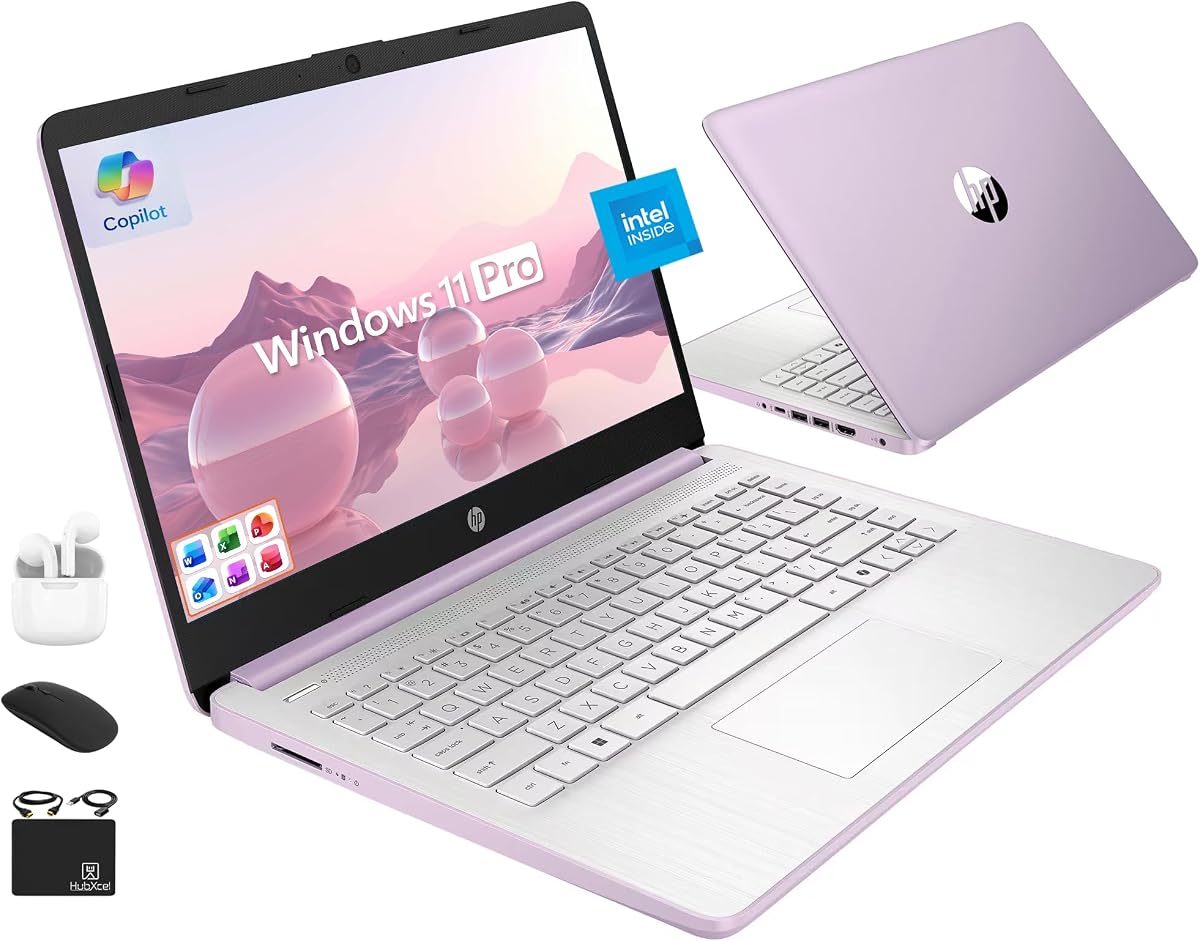
The HP Ultrabook 14 is a compact Windows 11 Pro system with a distinctive storage arrangement: 128GB of internal UFS storage plus a 500GB external drive. It also lists 16GB of memory, a quad-core Intel N150 processor, Wi-Fi 6, and a 14-inch anti-glare display. The supplied rating is 4.2.
We may earn a commission when you buy through this link, at no additional cost to you.
Its strongest appeal for a new inspector is the bundle. The package includes a 500GB external drive, wireless earbuds, a USB extension cord, an HDMI cable, a mouse pad, and a wireless mouse, along with a stated lifetime Microsoft Office 2024 inclusion. These accessories can reduce the need to buy separate peripherals immediately and offer a straightforward way to carry additional files.
The Intel N150 is suitable for light productivity but is not intended to compete with higher-performance Core Ultra or Ryzen 5 systems under sustained heavy workloads. Sixteen gigabytes of memory helps, but storage and processor speed will matter when editing high-resolution photographs, managing large databases, or keeping many demanding applications open. The anti-glare screen and 720p camera are useful for everyday work and calls.
This is most compelling for a student, new inspector, or cost-conscious professional who wants a portable, ready-to-use setup with extra storage and office software. Those needing fast local photo editing or a high-end inspection workstation should choose a more powerful processor. For basic report writing, email, research, training, and cloud-based systems, the Ultrabook 14 offers a useful and flexible package.
The external drive, mouse, mouse pad, earbuds, USB extension, and HDMI cable cover several needs that new computer buyers might otherwise address separately. This makes the package convenient for students and inspectors who want to begin working without immediately assembling a full accessory list.
Windows 11 Pro adds business-oriented management and security features. Combined with 16GB of memory and a 14-inch anti-glare screen, it provides a pleasant platform for report preparation, remote learning, online meetings, and general office work.
We may earn a commission when you buy through this link, at no additional cost to you.
The 2026 Windows 11 Pro Laptop is a basic but approachable 15.6-inch computer for users who need a full-size display, current Windows software, and a portable form factor. It offers 8GB of RAM, a 256GB SSD, an Intel Pentium processor, an IPS Full HD screen, and Windows 11 Pro. The supplied rating is 4.2.
We may earn a commission when you buy through this link, at no additional cost to you.
A 180-degree hinge allows the display to fold flat, which is convenient for sharing information in a meeting or following a demonstration. The integrated camera, microphone, and speakers cover routine video communication, while a full-size keyboard supports comfortable typing. Its listed weight of 3.53 pounds and 0.8-inch thickness keep it reasonably portable for field appointments.
The computer is powered by a 5000mAh battery with stated mixed-use endurance of up to six hours. That figure is more modest than several competing HP systems, but it remains practical for a morning of calls, forms, and research. Connectivity consists of two USB 3.0 ports, Mini HDMI, a headphone and microphone jack, and a microSD slot. Mini HDMI may require a special cable for some external displays.
This model works for a student, apprentice inspector, or budget-focused professional whose tasks are primarily web browsing, document preparation, email, and video calls. The 256GB drive is adequate for essential applications but not for an extensive local photo archive. A 2-year warranty and stated 24/7 online support reduce some purchasing uncertainty, while the Pentium processor and 8GB memory keep the design firmly in the entry-level tier.
The 180-degree hinge lets the display sit flat when sharing a report, checklist, or visual reference with a colleague. That flexibility, combined with the included camera, microphone, and speakers, supports meetings away from a formal desk.
The Pentium processor, 8GB of RAM, and 256GB SSD form a workable platform for Office tasks, research, communication, and online inspection systems. The Full HD IPS screen offers a clear and familiar workspace without a premium display specification.
We may earn a commission when you buy through this link, at no additional cost to you.
The HP 15.6 FHD Touchscreen is the most memory-equipped model in the roundup, with 32GB of RAM, a 1TB NVMe SSD, and an AMD Ryzen 7 7730U processor. That unusual capacity gives it excellent multitasking headroom. It also has a 15.6-inch Full HD IPS touchscreen, Windows 11 Pro, and a full-size keyboard with numeric keypad.
We may earn a commission when you buy through this link, at no additional cost to you.
The eight-core, 16-thread Ryzen 7 processor is well suited to running inspection software alongside many browser tabs, spreadsheets, virtual meetings, and cloud applications. The NVMe drive supports fast startup and file access, while 32GB of memory reduces the likelihood of slowdowns when several demanding programs are open. A camera privacy shutter and the included numeric keypad are useful professional details.
Connectivity includes USB-C, two USB-A ports, HDMI 1.4, and a headphone and microphone combination jack, along with Wi-Fi 6 and Bluetooth. The combination of 1TB storage and 32GB memory is particularly helpful for inspectors who keep a large local photo library. The touchscreen also provides an alternative to the trackpad for navigating forms and reviewing images.
This is a strong productivity choice for a busy inspector who runs many applications or wants to avoid replacing a memory-limited laptop later. The main caveat is that the supplied data does not establish whether this configuration provides better battery life than the simpler models. The touchscreen and 15.6-inch panel may also add weight in practice. Still, the processing and memory combination makes this a compelling performance-oriented value.
Thirty-two gigabytes allows an inspector to keep reporting software, many browser-based property records, communication tools, and cloud applications active without relying on virtual memory as frequently. It is particularly useful for users who divide their workday across numerous applications.
The 1TB NVMe SSD provides quick file access and generous local capacity for inspection photographs, reports, and training materials. The Full HD IPS touchscreen makes it easier to zoom into visual findings and interact with digital forms.
We may earn a commission when you buy through this link, at no additional cost to you.
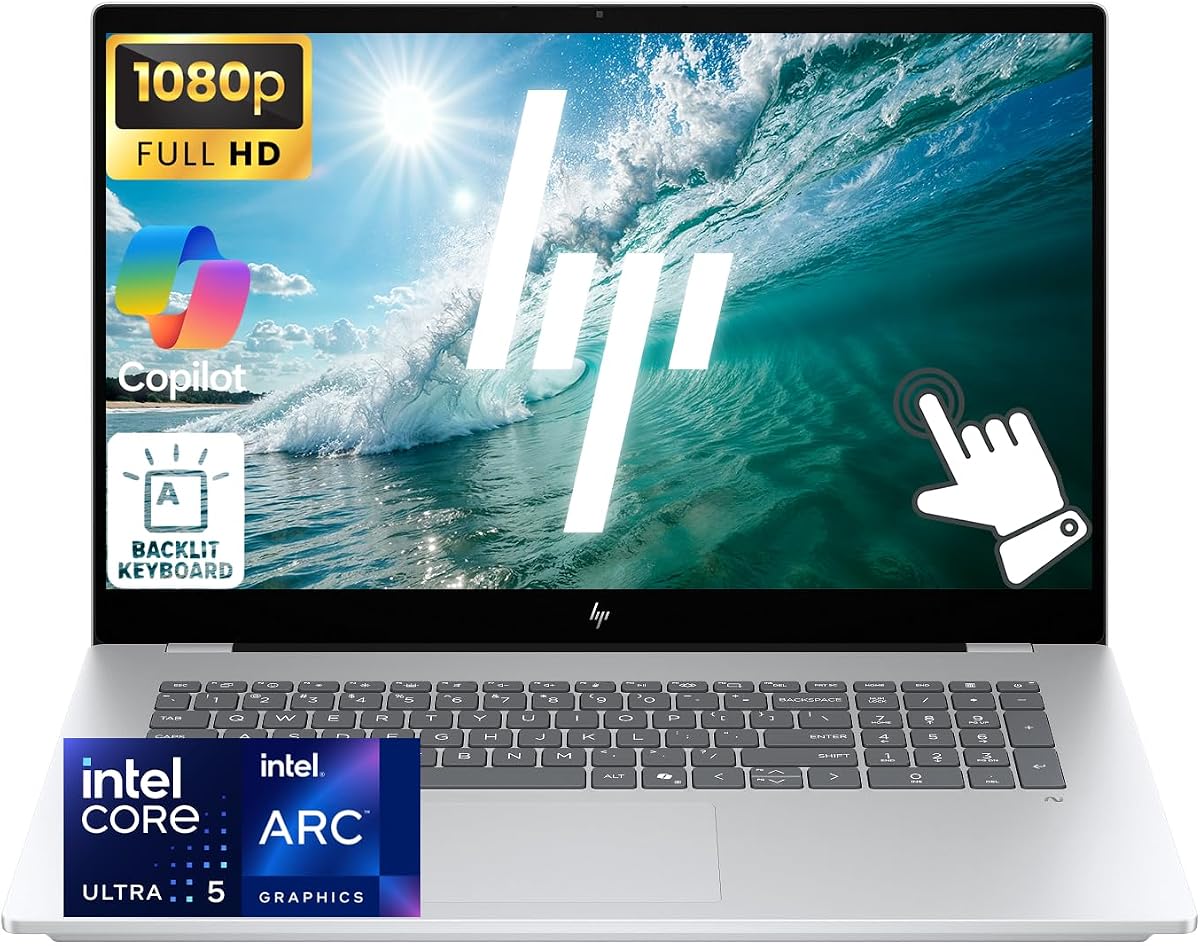
The HP OmniBook 7 is the strongest premium feature set among the conventional laptops reviewed. It combines an Intel Core Ultra 5 processor, 16GB of LPDDR5x memory, a 1TB SSD, and Windows 11 Pro with a 17.3-inch Full HD IPS touchscreen. Its supplied rating of 4.7 is the highest among the rated products, and the display specification is particularly noteworthy.
We may earn a commission when you buy through this link, at no additional cost to you.
The panel reaches 400 nits and 100% sRGB coverage, making it better suited than many alternatives to reviewing photographs, color-coded findings, and detailed reports. A 5MP IR camera, dual-array microphones, and a camera privacy shutter support high-quality video communication. The backlit keyboard, numeric keypad, dual speakers, and fast-charge capability make the laptop well equipped for extended professional use.
Thunderbolt 4 is the standout connectivity feature, offering a modern high-speed interface for compatible displays, docks, storage, and accessories. The system also provides three USB-A ports, HDMI 2.1, Wi-Fi 6E, and Bluetooth 5.3. Intel Arc 130V graphics and the Core Ultra 5 platform should deliver a responsive experience for daily professional workflows, although integrated graphics are not intended for specialist 3D work.
This laptop is best suited to a professional who wants a large, accurate, touch-enabled workspace and a comprehensive premium feature set. Its size may discourage constant handheld use, and 16GB of memory is less generous than the 32GB configuration in the HP 15.6 touchscreen model. Even so, the superior display, camera, port selection, and overall refinement make the OmniBook 7 an attractive high-end choice for report-intensive work.
A 100% sRGB panel is especially useful when examining photographs and checking whether the colors of finishes, materials, and defects appear accurate. At 400 nits, the screen also remains relatively bright for a large display, improving visibility in mixed indoor lighting.
Thunderbolt 4 supports a broad range of modern accessories and docking arrangements, while HDMI 2.1 and three USB-A ports preserve practical flexibility. The 5MP IR camera, privacy shutter, dual microphones, and fast-charge capability support a polished professional workflow.
We may earn a commission when you buy through this link, at no additional cost to you.
Choosing a laptop for home inspectors means balancing field portability, display visibility, report-writing comfort, reliable connectivity, and the demands of inspection software. The following factors are more useful than focusing on a single processor number or isolated specification.
Home inspection work often includes a digital report platform, a web browser with many property and code references open, email, scheduling tools, cloud storage, photo management, and video calls. A current Core i5, Core Ultra 5, Ryzen 5, or Ryzen 7 processor generally provides a more comfortable margin than an entry-level Pentium or N-series chip, particularly when the computer must handle large reports and communication tools simultaneously. Review the software requirements of your chosen report provider, accounting system, and imaging service before deciding.
Memory determines how comfortably the laptop can hold active applications, browser tabs, forms, and files. Eight gigabytes is workable for light use, while 16GB provides a better balance for inspectors who regularly move between report software, email, cloud drives, and client calls. The 32GB configuration in this roundup is particularly generous and is useful for heavy multitasking or keeping large local data sets open. Buyers should also consider that soldered memory is usually difficult or impossible to upgrade later.
Inspection photographs can consume considerable space, even when most files are uploaded or optimized. A 256GB SSD is adequate for a new user who works mainly in the cloud, but 512GB provides a more comfortable balance. A 1TB drive is preferable for inspectors who retain dated property folders, original images, training videos, and offline report archives. Look for an NVMe drive when possible, and consider whether the laptop includes an external drive or card reader for backups.
Resolution, brightness, and surface treatment all affect long report sessions. Full HD is a sensible minimum, while 2K offers finer text and more room for side-by-side documents. An anti-glare surface is valuable in bright homes, unfinished buildings, and vehicles. Inspectors reviewing photographs should consider color gamut, with 100% sRGB providing a stronger basis for accurate visual assessment. Touchscreens can make forms and image review more convenient, although they add cost and may increase bulk.
Report writing is a daily task, so keyboard comfort deserves more attention than many buyers initially expect. Look for stable key travel, a non-slip palm rest, readable legends, and a layout that does not force awkward finger positioning. A numeric keypad helps with measurements, estimates, inventory records, and spreadsheets, but it adds width and may be unnecessary if most data entry is narrative. Backlighting is useful for early appointments, late appointments, and properties with limited lighting.
At least one USB-A port is useful for external drives, measurement accessories, and legacy peripherals. USB-C with DisplayPort allows a larger monitor to be connected, while HDMI remains common in home offices and vehicles. Inspectors working from hotels, temporary offices, or older properties may value RJ45 Ethernet for a stable wired connection. Thunderbolt 4 is worth considering for docks and high-speed accessories, but it is more specialized than standard USB-C.
Battery claims can vary considerably with screen brightness, wireless use, and workload, so compare stated figures only as a general guide. A light 14-inch laptop is easier to carry between properties and can be more comfortable for an inspector who works away from a vehicle. A large 17-inch model offers a better report and photo workspace but is usually less convenient to transport. Fast charging can mitigate long schedules, and a reliable vehicle charger may be more valuable than a marginal improvement in a stated runtime figure.
A computer used every day in vehicles and properties benefits from a sturdy chassis, reliable hinges, and ports that can withstand repeated connection. Rugged models add weight but may be worthwhile for construction sites, older buildings, and frequent travel. Windows 11 Pro provides business-oriented security and management features, while TPM 2.0 and physical lock support can matter when client information is stored locally. Home editions remain perfectly capable for many individual inspectors, but organizations should review their security requirements.
Set up a dedicated inspection workspace before leaving for appointments. Sign in to your report platform, synchronize the local photo folder, test cloud synchronization, and create a simple folder structure for active properties, completed reports, receipts, and reference documents. Configure automatic backups to an external drive or approved cloud service, and confirm that your important report templates and inspection software open correctly without requiring an internet connection.
At each property, minimize sensitive client information on screen when possible, use a secure connection for confidential communication, and avoid leaving the computer unattended in a vehicle. Carry the charger and a short, high-quality charging cable, especially for long days or properties with limited outlets. Clean the display with a soft microfiber cloth, keep ports free of dust and debris, and never use a charger with visibly damaged wiring. The numeric keypad and touch surfaces should also be kept clean to preserve accurate input.
Protect the computer as carefully as the data it contains. Use a padded, weather-resistant bag and keep the device away from moisture, excessive heat, and unstable surfaces. Review backups regularly, retain original photographs until uploads are confirmed, and follow the retention rules of your report provider and local regulations. Periodically update the operating system and inspection applications, and make sure the laptop has sufficient free storage for reliable updates and temporary processing files.
A touchscreen can be helpful when reviewing photographs, zooming into details, signing forms, or navigating touch-friendly inspection software. It is not essential for most report writing, and the benefit depends on screen quality and the inspector's preferred workflow. A precise Full HD or 2K display with anti-glare treatment may be more valuable than touch capability alone.
Sixteen gigabytes is a practical target for regular use of report software, web-based references, email, calendars, and client calls. Eight gigabytes can work for lighter cloud-focused workflows, while 32GB provides extra headroom for extensive multitasking and local photo libraries. Consider whether the memory can be upgraded before buying, because many thin laptops use soldered components.
A 14-inch model is easier to carry and works well for inspectors who travel between appointments. A 17-inch model offers a more comfortable report and photo workspace, especially when the computer spends much of the day in a vehicle or on a desk. The best choice depends on whether mobility or screen area matters more in your typical workweek.
A rugged laptop is most valuable for inspectors who regularly work in construction areas, older properties, or environments where dust, vibration, drops, and frequent transport are likely. It can also reduce concern about equipment damage. For office-heavy or low-travel workflows, a lighter standard business laptop may provide better value and comfort.
Windows 11 Home can support many inspection workflows, while Windows 11 Pro adds security, administration, and business-oriented capabilities. Pro may be preferable for a company handling sensitive client data or managing several devices. An individual inspector should first confirm the software requirements of the report platform and any accounting or customer-management systems.
The right amount depends on image resolution, retention rules, and whether originals are uploaded immediately. A 512GB SSD is a reasonable starting point, while 1TB is more comfortable for extensive local archives. Maintain a disciplined backup and upload process so that stored photos remain safe without consuming all available drive space.
A compact charger, a spare charging cable, a padded case, and a reliable backup drive are the most practical basics. A card reader or direct photo-transfer setup can reduce dependence on cables, while a USB-C to HDMI adapter may be needed for an older laptop. Inspectors should also follow employer or client requirements when carrying accessories into a property.
A numeric keypad is useful for entering measurements, comparisons, itemized costs, and spreadsheet figures. It is less important when most documentation consists of written findings and narrative reports. Consider the trade-off because a keypad widens the keyboard and can reduce space for a trackpad, although it remains convenient for many technical users.
The HP 17 inch Business Laptop is the most balanced general recommendation, combining a large anti-glare display, 16GB of memory, a numeric keypad, and practical Windows 11 productivity. The HP Essential Laptop 2026 stands out as the portable budget option, while the Dell Pro Rugged 14 is the premium selection for inspectors who prioritize field durability, business security, and complete wired connectivity.
Start with the work you actually perform. Choose a larger, brighter screen for extensive report editing and photo review; prioritize 16GB or more memory and at least 512GB of storage for heavy multitasking; and select a rugged model if the computer will face demanding sites and frequent transport. Touchscreens, numeric keypads, and premium cameras are useful additions, but they should support rather than define the purchase decision.
Before ordering, verify the current seller configuration, display finish, included software, warranty terms, and connector layout. Product listings and prices change, and identical model names may appear with different memory, storage, or operating-system options. Comparing the current listing against the needs of your inspection software, clients, and schedule is the safest way to select the right machine.